Wiggle guide
Lower Back Stretches After Cycling: A 6-Minute Cooldown
A standing cooldown for mild lower-back, hip, and glute stiffness after a ride.
lower back stretches after cycling
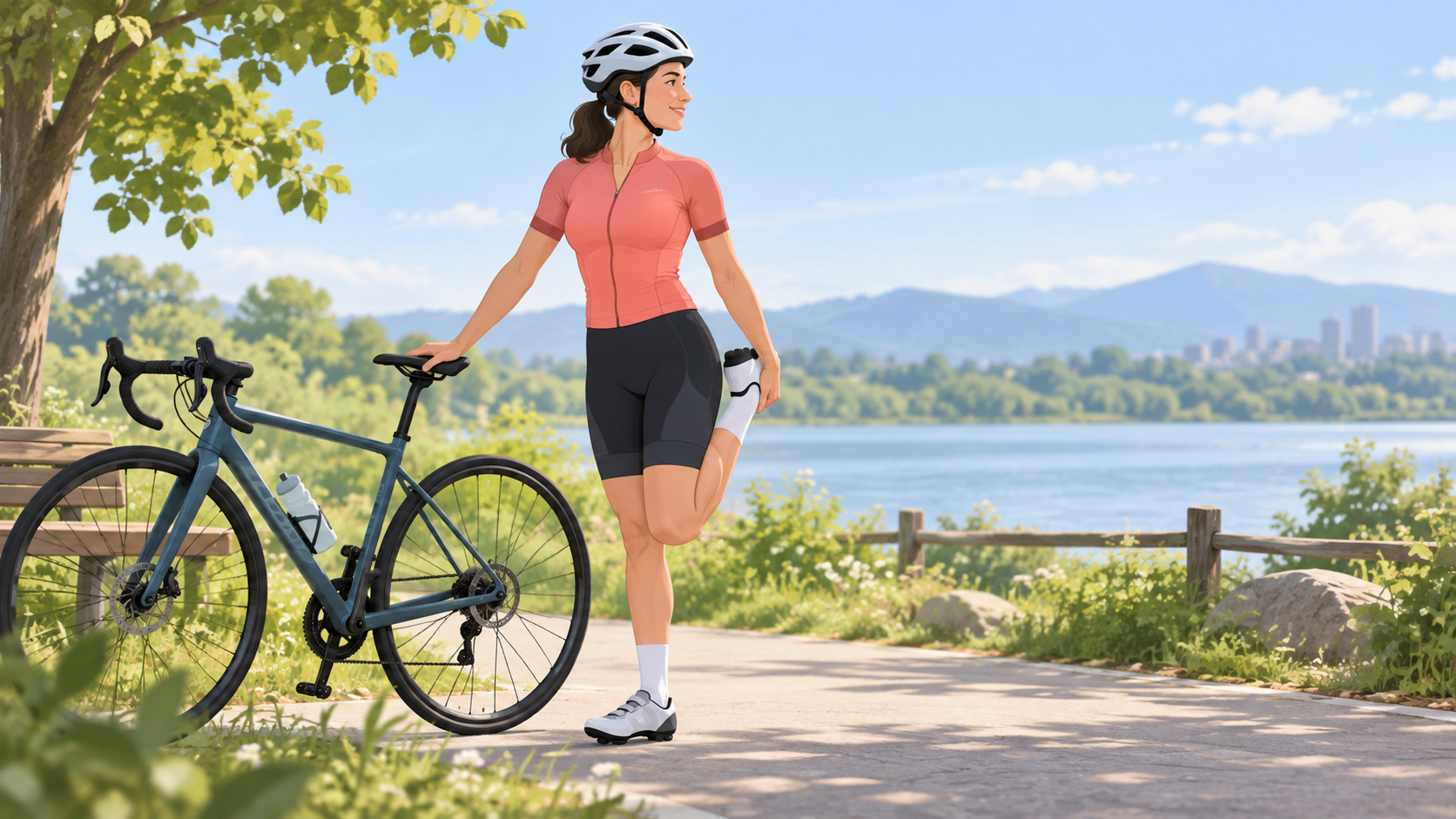
You finish the ride, straighten up from the handlebars, and your lower back still feels stuck in cycling position. Pulling hard on the tight spot is tempting. The faster, easier first move is to park the bike safely, walk for 60 to 90 seconds, and let your hips and trunk change position before stretching.
Use this decision rule: familiar mild stiffness that stays steady or eases while walking can get a gentle cooldown. After a crash or sudden pain—or with severe or worsening pain, numbness, weakness, loss of bladder or bowel control, or symptoms travelling down a leg—skip the routine and seek qualified medical guidance.
What are lower back stretches after cycling?
Lower back stretches after cycling are gentle post-ride movements for the hips, glutes, legs, and trunk. They help you transition out of a sustained riding posture without forcing tired tissue. They are suitable for ordinary, familiar stiffness, not for diagnosing or treating an injury.
A post-cycling lower-back cooldown is a short sequence of walking, small pelvic movements, supported hip stretches, and relaxed breathing. It should feel easier than the ride and should not require pulling your body into its maximum range.
| What you notice | Best first move | Avoid | | --- | --- | --- | | Mild stiffness that eases while walking | Try the standing routine | Deep, forced forward folds | | Tightness at the front of the hips | Supported hip flexor stretch | Arching the lower back | | Tired glutes after hills | Supported figure-four | Forcing the knee down | | A sudden pain during the ride | Stop and get assessed | Testing it with harder stretches | | Numbness, weakness, or spreading pain | Seek prompt medical guidance | Riding home through it |
If the hips are your main limitation, use the hip mobility routine for cyclists. For a general training-day cooldown, choose lower back stretches after a workout.
What is the best 6-minute cooldown after cycling?
The best short cycling cooldown stays upright: walk, use small standing pelvic tilts, then stretch the hip flexors, glutes, and hamstrings with support. Walking first gives your body a gradual change from pedalling and helps you decide whether stretching feels appropriate.
- Walk for 90 seconds. Let your arms swing and avoid forcing an exaggerated upright posture.
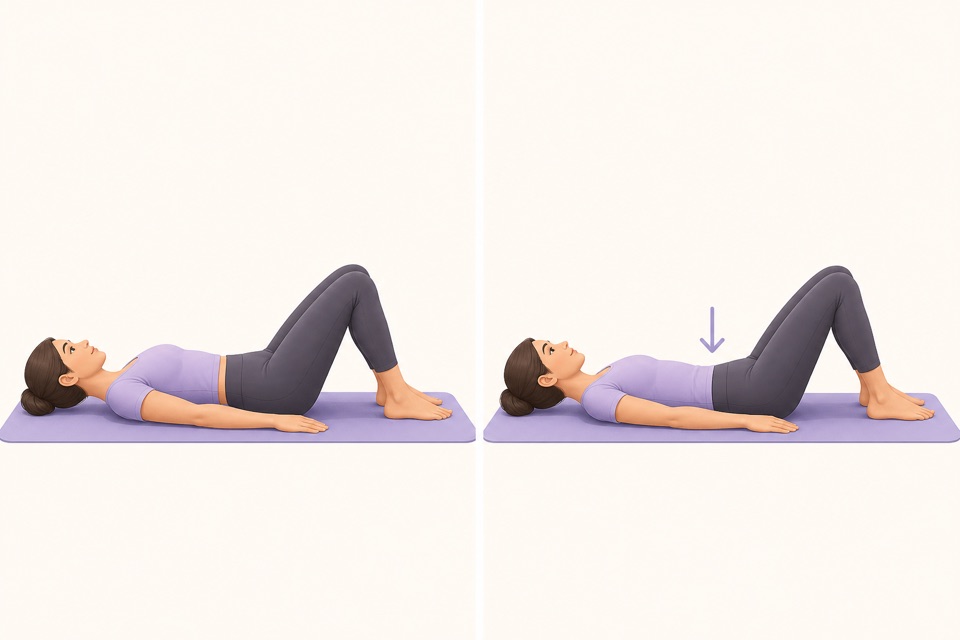
- Standing pelvic tilts for 45 seconds. Use a small tuck-and-release motion with soft knees.
- Supported hip flexor stretch for 30 seconds per side. Step one foot back and gently tuck the pelvis.
- Standing figure-four for 30 seconds per side. Hold a wall or sturdy railing and sit back slightly.
- Shallow hamstring hinge for 30 seconds per side. Place one heel forward and hinge from the hips.
- Walk for one final minute. Reassess before sitting in a car or at a desk.
From Wiggle
Recommended moves
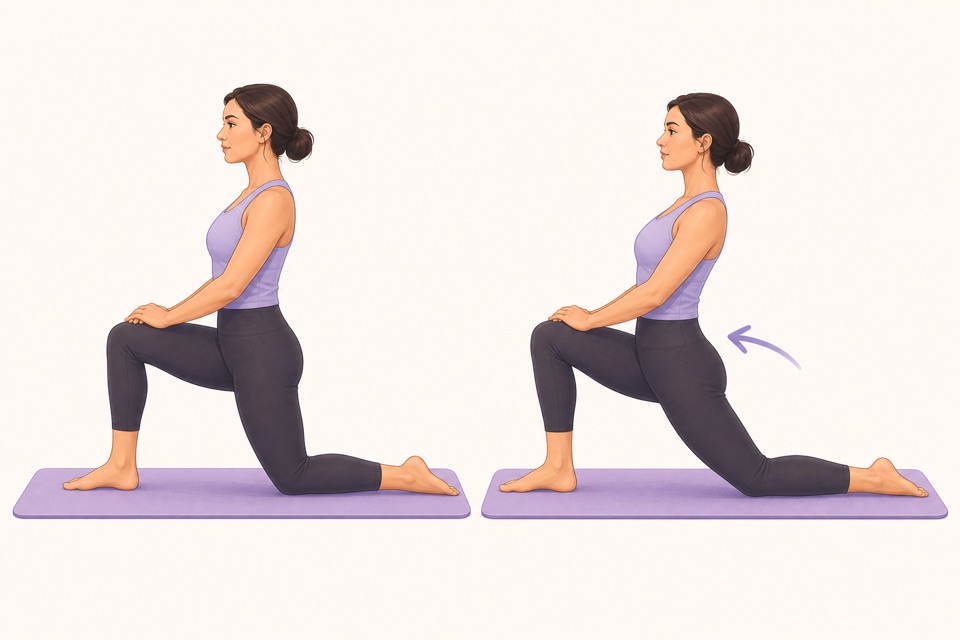
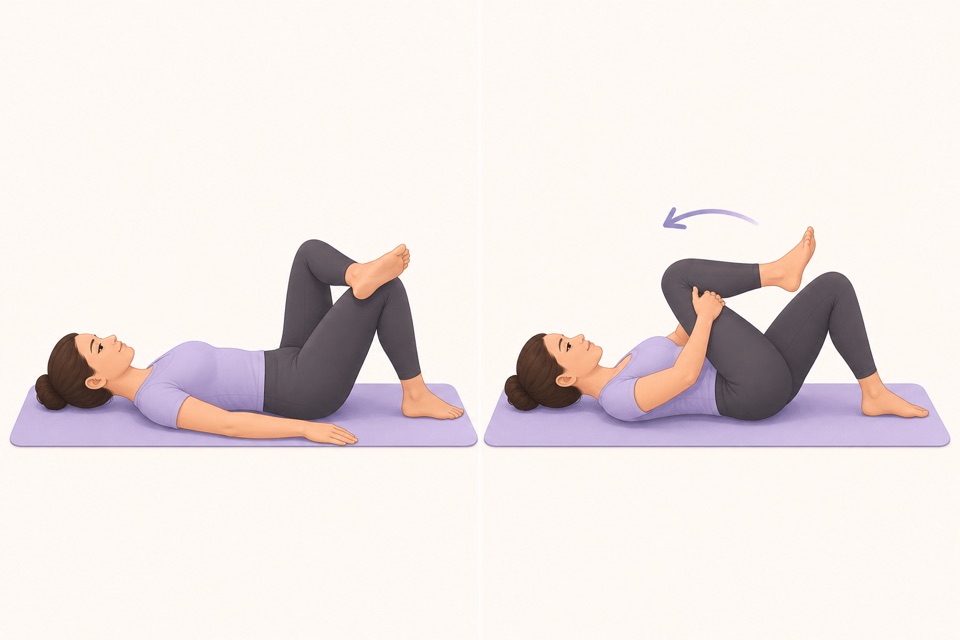
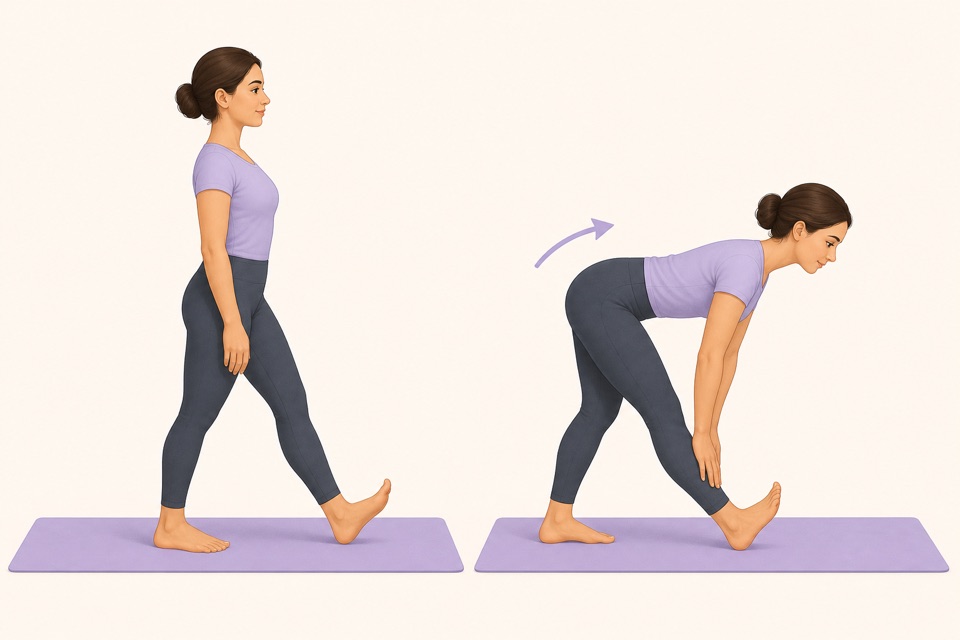
Mayo Clinic recommends smooth stretching without bouncing and advises against stretching into pain. Keep every position mild enough to breathe normally and exit it without strain.
Why can your lower back feel tight after a bike ride?
Cycling holds the hips and trunk in a relatively fixed posture while the legs repeat thousands of pedal strokes. Longer rides, hills, fatigue, a sudden increase in distance, and time spent sitting after the ride may influence stiffness. The sensation itself cannot identify one tissue or one cause.
Notice the pattern instead of guessing:
- If walking settles the feeling, keep the cooldown easy.
- If it begins at roughly the same point on every ride, note the time, terrain, and intensity.
- If your hips rock side to side while pedalling, review setup and technique rather than stretching harder.
- If symptoms recur, worsen, or affect normal activities, seek an individual assessment.
MedlinePlus notes that back pain has many possible causes. A generic routine cannot replace professional evaluation when the pattern is persistent or concerning.
When should you check bike fit instead of adding more stretches?
Check bike fit when stiffness repeatedly appears during riding, starts after a component or position change, or comes with obvious reaching, hip rocking, or difficulty pedalling smoothly. Stretching may feel pleasant afterward, but it cannot correct a setup that consistently asks too much of your position.
Use this quick checklist:
- Did the problem begin after changing saddle height, saddle position, cleats, or handlebars?
- Do your hips rock while you pedal at an easy effort?
- Are your elbows locked because the bars feel too far away?
- Does the stiffness start earlier on the indoor bike than outdoors, or vice versa?
- Does it recur even when training load and recovery are sensible?
There is no universal saddle or handlebar number that suits everyone. Make small, recorded changes or work with a qualified bike fitter; avoid changing several variables at once.
How should you modify the routine after a hard or long ride?
Spend longer walking and use less range after a hard ride. Fatigue is a reason to simplify the cooldown, not turn it into another flexibility workout. Drink and refuel as appropriate, use a wall or stable railing for balance, and skip any position that feels awkward in cycling shoes.
- Shorten the stance in the hip flexor stretch.
- Replace the figure-four with easy marching if balance feels uncertain.
- Keep the hamstring hinge shallow.
- Walk in trainers or bare feet on a safe surface rather than balancing in cleats.
- End the session if symptoms worsen instead of trying to “unlock” the back.
For non-cycling days, easy lower back stretches provides a broader beginner routine.
How can Wiggle make a post-ride cooldown easier to repeat?
Wiggle removes the decisions after a tiring ride: save a short hips-and-back sequence, follow the timers, and stop when the routine is complete. Consistency beats an occasional 30-minute stretch session, especially when your real goal is to cool down and get on with your day.
Use the Wiggle app to build a guided six-minute cycling cooldown. If you want to develop capacity away from the bike, add beginner lower-back strengthening exercises on a separate day.
Sources
Why we keep it gentle
These guides are written for everyday stiffness and habit-building. They are grounded in mainstream guidance on flexibility, movement, and when to seek medical help.
- Stretching: Focus on flexibilityMayo Clinic
- Back painMedlinePlus
- Back painNHS
- Physical Activity Guidelines for AmericansU.S. Department of Health and Human Services
FAQ
Questions people ask
What are the best lower back stretches after cycling?
Walk for one or two minutes, then try a supported hip flexor stretch, standing figure-four stretch, shallow hamstring hinge, and gentle standing pelvic tilts. Keep the effort mild. Stop if pain is sharp, worsening, spreading into a leg, or accompanied by numbness or weakness.
Should I stretch immediately after getting off the bike?
Walk first and let your posture change gradually after time bent over the handlebars. If the feeling is familiar mild stiffness and eases as you move, use a gentle cooldown. After a crash, sudden pain, or neurological symptoms, skip stretching and seek qualified medical guidance.
Why does my lower back feel tight after cycling?
A ride can keep the hips and trunk in a relatively fixed position while the legs repeat the same motion. Ride duration, hills, fatigue, training load, and bike setup may all matter. Tightness alone cannot identify the cause, so recurring or worsening symptoms deserve individual assessment.
Can bike fit help recurring lower-back stiffness?
It may. Saddle height and reach can change how much you bend or rock while pedalling, but there is no universal setting that fixes every rider. If stiffness repeatedly appears on the bike, record when it starts and consider a qualified bike-fit or health assessment.
Can I do this cycling cooldown without lying on the ground?
Yes. The full six-minute routine is standing and uses a wall, railing, or sturdy chair for light support. That makes it practical at a trailhead, bike rack, or home before you sit down again.