Wiggle guide
Lower Back Stretches After Lifting Boxes: A 6-Minute Reset
A gentle standing reset for mild lower back and hip stiffness after moving boxes.
lower back stretches after lifting boxes
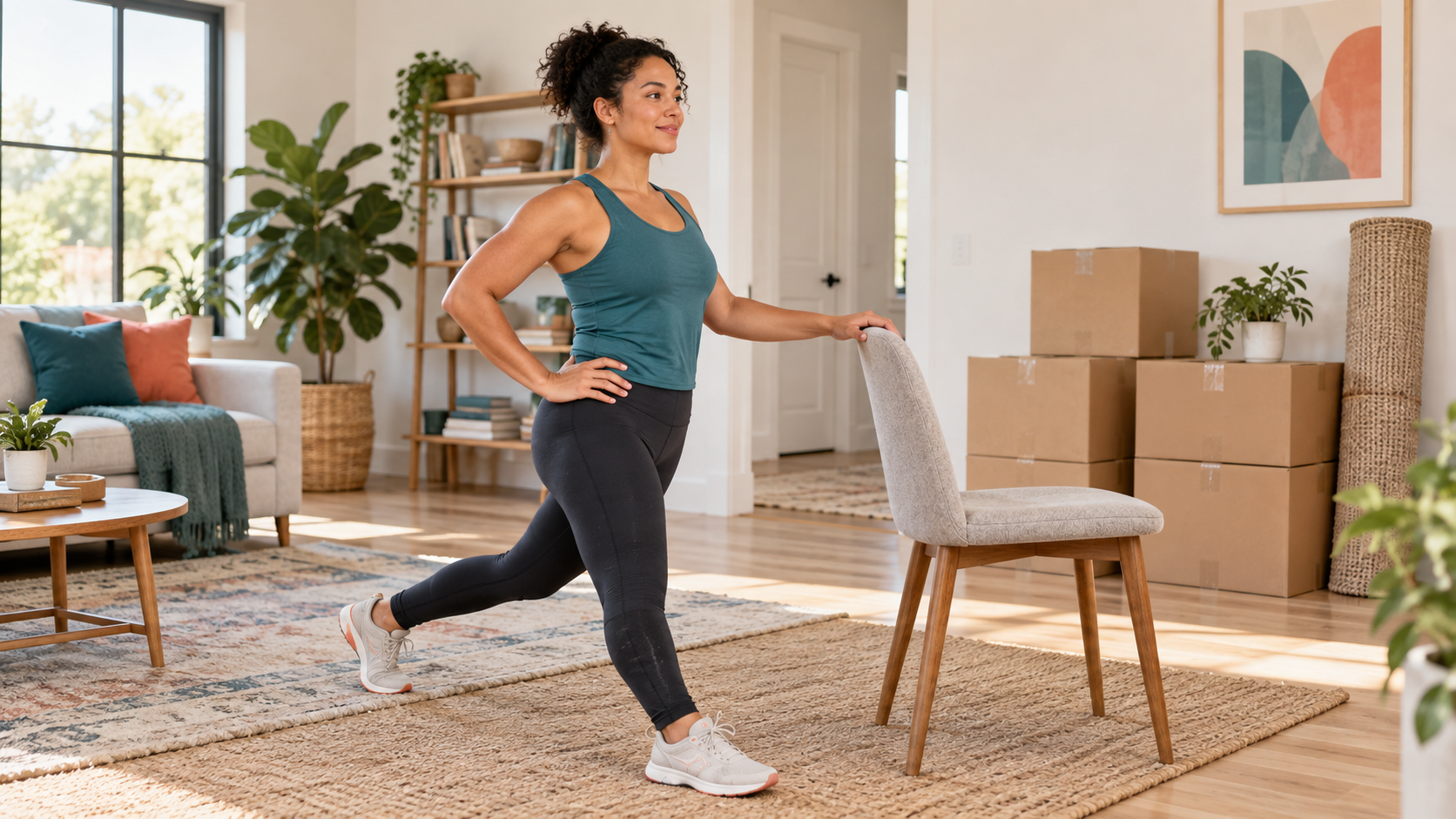
The box is finally down, but your lower back still feels like it is carrying it. The tempting move is to fold forward and pull hard on the tight spot. The easier first move is to clear the floor, walk for 60 to 90 seconds, and use the standing six-minute reset below.
Use this decision rule: familiar mild stiffness can get a gentle walk-and-stretch trial. After a fall, dropped load, or sudden pull—or with severe or worsening pain, numbness, weakness, fever, loss of bladder or bowel control, or symptoms running down a leg—stop lifting and seek qualified medical guidance.
What are lower back stretches after lifting boxes?
Lower back stretches after lifting boxes are gentle movements for the hips, legs, and trunk after repeated carrying and bending. They suit ordinary, familiar stiffness once every load is safely on the floor. They do not diagnose an injury, reverse poor lifting choices, or treat unexplained back pain.
A post-lifting back reset is a short sequence of walking, small pelvic movements, supported hip stretches, and calm breathing. It should feel easier than the work you just finished and leave you moving comfortably—not test how far you can bend.
| What you notice | Best first move | Avoid | | --- | --- | --- | | Mild stiffness after several trips | Walk for 60–90 seconds | Dropping into a deep toe-touch | | Tightness at the front of the hips | Supported hip flexor stretch | Arching the lower back | | Glutes feel tired | Standing figure-four with support | Forcing the knee downward | | Sudden pain during one lift | Stop and get assessed | Stretching to test the injury | | Numbness, weakness, or spreading pain | Seek prompt medical guidance | Carrying one more load |
For general post-exercise stiffness, use the lower back stretches after a workout. If the issue appears after lighter household tasks, choose the post-housework lower back reset instead.
What is the best 6-minute routine after lifting boxes?
The best short routine begins with walking and stays upright: pelvic tilts, a supported hip flexor stretch, a standing figure-four, and a shallow hamstring hinge. Walking first gives you a gradual transition from lifting and helps you decide whether gentle movement feels appropriate.
- Walk for 90 seconds. Let your stride settle without forcing tall posture.
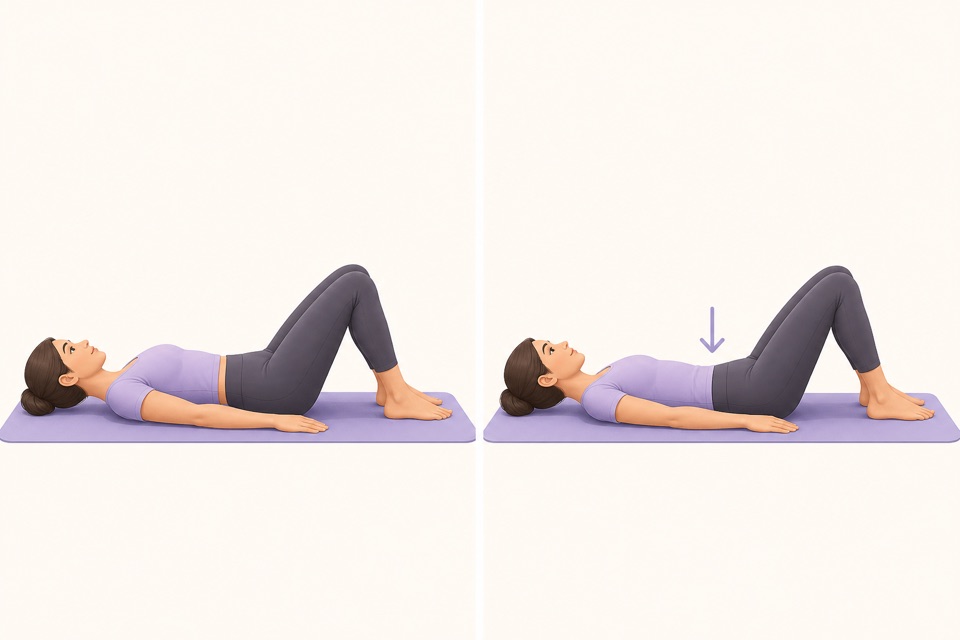
- Standing pelvic tilts for 45 seconds. Use a small tuck-and-release motion with soft knees.
- Supported hip flexor stretch for 30 seconds per side. Step one foot back and gently tuck the pelvis.
- Standing figure-four for 30 seconds per side. Hold a wall or sturdy chair and sit back slightly.
- Shallow hamstring hinge for 30 seconds per side. Put one heel forward and hinge from the hips.
- Walk for one final minute. Reassess before deciding whether to lift again.
From Wiggle
Recommended moves
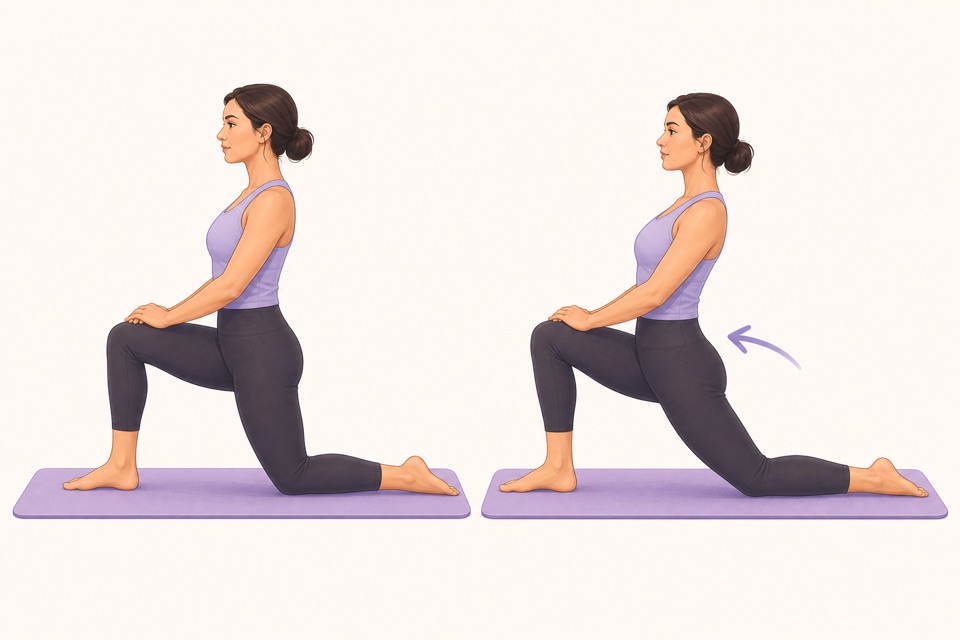
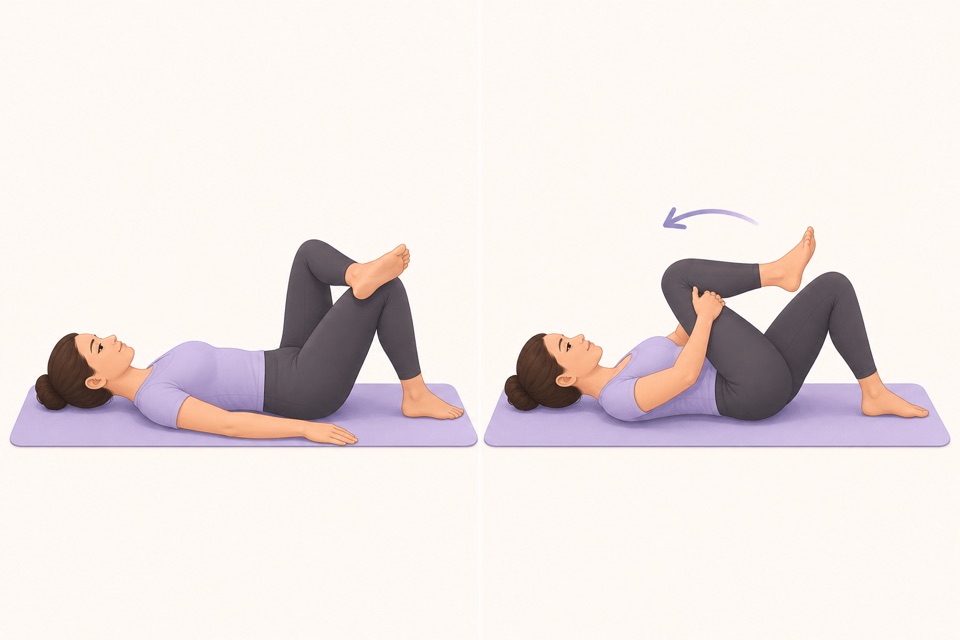
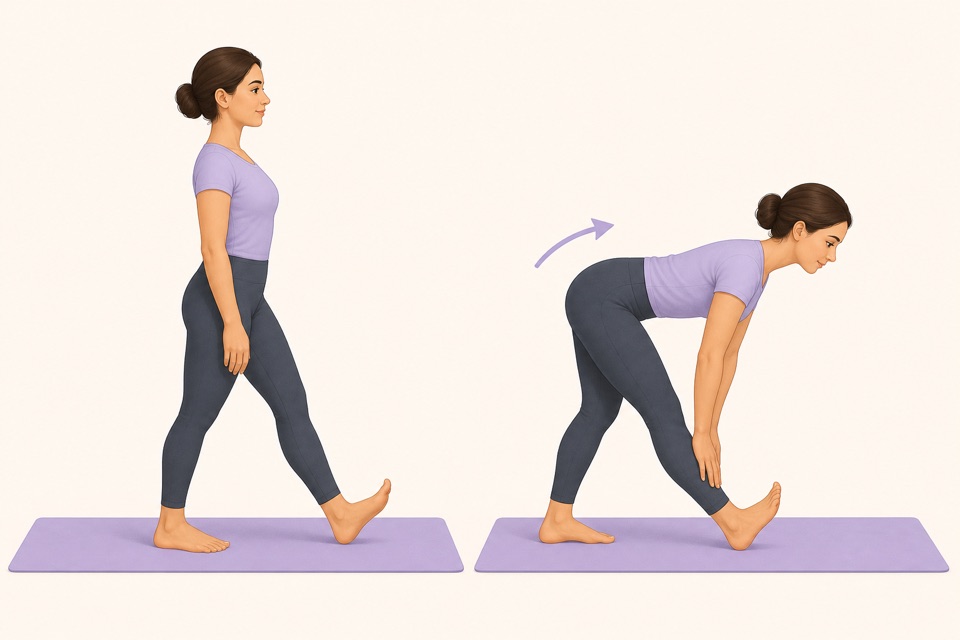
Mayo Clinic recommends smooth stretching without bouncing and advises against stretching into pain. Keep the range mild enough to breathe normally and release each position without strain.
Why can lifting boxes make your lower back feel stiff?
Moving boxes can combine repeated bending, carrying, bracing, reaching, and turning. Fatigue may make the final trips feel different from the first ones. Stiffness is a sensation rather than a diagnosis, and it cannot tell you which tissue is responsible.
Common failure modes include twisting while holding a load, keeping a box far from the body, overfilling large cartons, and rushing because only a few boxes remain. MedlinePlus notes that back pain has many possible causes, so persistent, severe, recurring, or worrying symptoms deserve individual assessment.
How can you lift the next box with less effort?
Change the load and route before trying to change your flexibility. Test the box, clear the path, keep the load close, and turn with your feet. Use a trolley, dolly, lifting straps, or another person when the object is heavy, unstable, or too large to see around.
- Pack smaller boxes instead of one overloaded carton.
- Tape the base before lifting and use secure handholds.
- Move your feet instead of twisting while carrying.
- Set the box on a raised stable surface when practical.
- Stop before fatigue makes your technique unpredictable.
OSHA's ergonomics guidance emphasizes reducing awkward postures, repetition, and force through better task design and equipment. A stretch can feel good, but it cannot make an unsafe box safe.
How do you modify the routine on moving day?
Keep the routine standing and clear tape, packing paper, and boxes from the floor first. Use a wall or sturdy chair for light balance support; do not lean on a stack of cartons.
- Shorten the stance in the hip flexor stretch.
- Replace the figure-four with easy marching if balance is uncertain.
- Keep the hamstring hinge shallow.
- Spend more time walking if stretching feels intense.
- End the lifting session if symptoms worsen when you resume.
For a broader beginner session on a non-moving day, use easy lower back stretches.
How can Wiggle make a moving-day reset easier to repeat?
Wiggle removes the small decisions between loads: save a short standing hips-and-back routine, follow the timers, and return only if movement still feels comfortable. The goal is not a heroic flexibility session beside the boxes. It is a repeatable reset that keeps effort low.
Use the Wiggle app to build a guided moving-day routine. If you want gradual capacity work after moving day is over, start with beginner lower back strengthening exercises.
Sources
Why we keep it gentle
These guides are written for everyday stiffness and habit-building. They are grounded in mainstream guidance on flexibility, movement, and when to seek medical help.
- Stretching: Focus on flexibilityMayo Clinic
- Back painMedlinePlus
- Back pain at work: Preventing pain and injuryMayo Clinic
- Materials HandlingOccupational Safety and Health Administration
FAQ
Questions people ask
What are the best lower back stretches after lifting boxes?
For familiar mild stiffness, walk for one or two minutes, then try standing pelvic tilts, a supported hip flexor stretch, a standing figure-four stretch, and a shallow hamstring hinge. Keep the effort low and stop if pain is sharp, spreading, worsening, or accompanied by numbness or weakness.
Should I stretch immediately after moving heavy boxes?
Put the load down safely and walk before stretching. If you felt a sudden pull, dropped a box, fell, or have severe pain, numbness, weakness, loss of bladder or bowel control, or symptoms traveling down a leg, skip the routine and seek qualified medical guidance.
Why does my lower back feel stiff after lifting boxes?
Moving boxes can combine repeated bending, carrying, bracing, reaching, and turning. Fatigue and staying in one lifting pattern may contribute to stiffness, but the sensation alone cannot identify a cause. Persistent or worsening symptoms need individual assessment.
How can I make moving boxes easier on my back?
Clear the route first, test each load, use smaller boxes, keep loads close, turn with your feet, and ask for help or use equipment for awkward items. A stretch cannot make an unsafe load safe.
Can I do the routine without getting on the floor?
Yes. The entire six-minute reset is standing and uses a wall or sturdy chair for light balance support. Keep walkways clear of boxes, tape, and packing material before you begin.